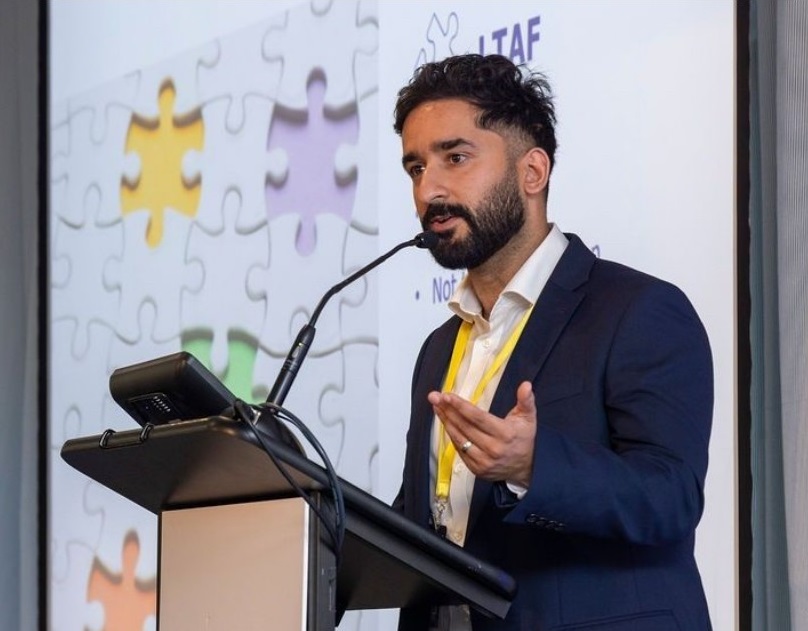
Joshun Sandhu: Master Trusts utilising Private Markets
Joshun Sandhu provides a breakdown of how private market access is re-shaping the Defined Contribution market
Master trusts and private capital
Master trust pension schemes are being encouraged to allocate to long term private assets while continuing to meet strict governance and daily member liquidity requirements. Trustees must decide whether to access private markets through regulated pooled funds such as Long Term Asset Funds (LTAFs), create fully bespoke solutions, or adopt a hybrid approach that blends elements of both. Each route carries distinct implications for governance, costs and operations, and the choice will shape the long-term risk and return profile of members’ retirement savings.
Liquidity and structural expertise
Daily liquidity remains a defining constraint. Members expect to trade their pots every day and administrators are set up to deliver that functionality. Introducing an asset that does not trade daily can create operational issues and potential regulatory concerns over what a member is allowed to buy. Trustees therefore need solutions that fit within existing administration systems or can be blended to provide overall daily liquidity.
Structural expertise is critical. While trustees focus on investment strategy and member outcomes, the technical design of pooled funds, insurance wrappers and hybrid platforms typically requires input from consultants, lawyers and specialist providers. Trustees should not be expected to master every structural nuance, but they do need enough understanding to evaluate advice and make informed decisions.
A fast changing market backdrop
The market environment is evolving rapidly. Industry consolidation among platforms, innovation such as Smart and Octopus Energy, new master trust announcements from providers such as Hargreaves Lansdown and Schroders, and the possibility of further master trust mergers are creating both opportunities and uncertainty. Regulatory support for LTAFs and a growing pool of providers is opening new pathways to private capital. At the same time, government ambitions to increase scale in defined contribution pensions are being positioned as a way to improve private market access, although scale alone does not guarantee better outcomes.
This combination of regulatory encouragement and commercial activity risks narrowing trustee choice if the market converges on a small number of standardised solutions. Pressure to adopt an LTAF quickly could lead to sub optimal outcomes if strategies are rushed to market or if managers prioritise launching a vehicle before finalising an investment approach. Trustees should test whether new products genuinely meet member needs rather than simply following regulatory signals.
The appeal and limits of LTAFs
LTAFs are FCA authorised open ended funds designed to hold less liquid assets. They offer a familiar governance framework, diversification through pooled assets and professional management for schemes of all sizes. Their regulated status makes them accessible and operationally easier for many trustees.
However, familiarity does not automatically equal safety. Liquidity management is complex and managers may be more experienced at running semi liquid structures than at investing directly in private markets. The manager, not the trustee, is responsible for balancing inflows and redemptions, so due diligence on both the investment strategy and the liquidity process is vital. Trustees must also decide how to communicate redemption policies and valuation practices. In many cases the best approach is to package the investment within a simple solution that focuses on the positive member outcomes rather than technical details that may confuse or alarm savers.
Bespoke and blended solutions
Bespoke solutions include segregated mandates, custom pooled funds and unit linked insurance wrappers. A unit linked platform allows trustees to consolidate investments in one place. These structures can be tailored for liquidity, fees and governance and can align closely with member needs if designed cost effectively. All master trusts have the theoretical scale to consider bespoke options, but implementation demands specialist expertise and significant governance capacity. The trade off is longer lead times and higher operational complexity compared to an off the shelf LTAF.
For many schemes a hybrid model will be the most practical. A modest LTAF allocation can provide diversified private market exposure, while a separate sleeve of strategic assets might be held through a segregated mandate or insurance platform. Listed real estate investment trusts or other liquid private market proxies can provide daily pricing and income to support member trading requirements. Blending different structures is not merely a compromise but a necessary way to integrate private assets into a daily dealing environment. Trustees will need clear rules on switching, liquidity management and member communications to keep the solution transparent and fair.
Governance first
Success in private capital investing depends as much on governance as on investment returns. Trustees should start by clarifying their objectives and defining the role of private assets within the default strategy. They need to stress test redemption policies, determine how much illiquidity can be tolerated and evaluate costs at both the investment and administrative levels. Communication remains central. Trustees must explain to members why private assets are being used and how the chosen structure protects their interests, while avoiding unnecessary complexity in messaging.
Long term private assets can enhance diversification and help master trusts deliver better risk adjusted outcomes for members. LTAFs, bespoke structures and hybrid approaches each have merits, but no single solution fits all. Innovation in platform technology and unit linked wrappers is expanding the menu of options, yet governance and clarity of purpose remain paramount. Trustees who match structure to objectives, seek expert advice and maintain rigorous oversight will be best placed to harness private capital for the benefit of their members over the next decade.